SCULPTURE SPACE NYC FOR ART & CERAMICS
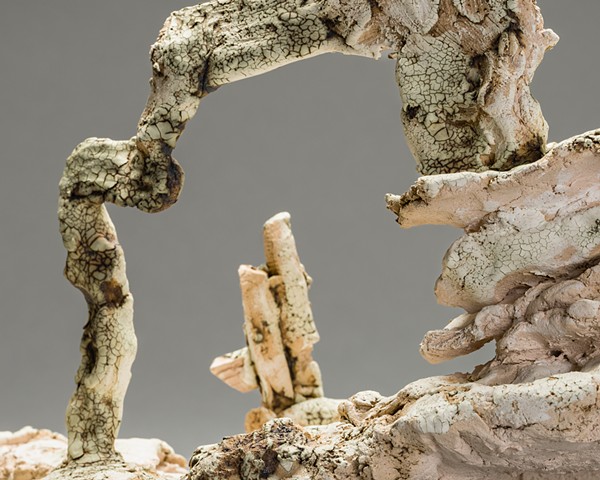
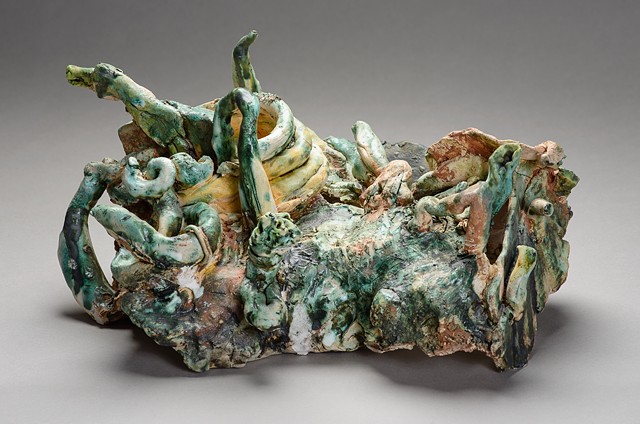
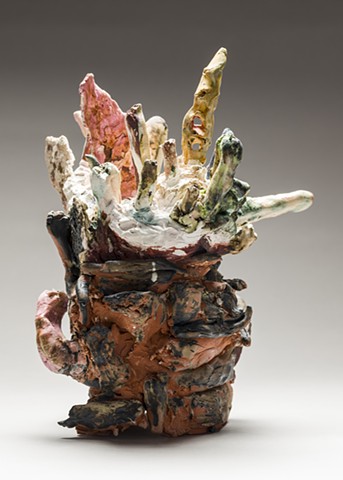
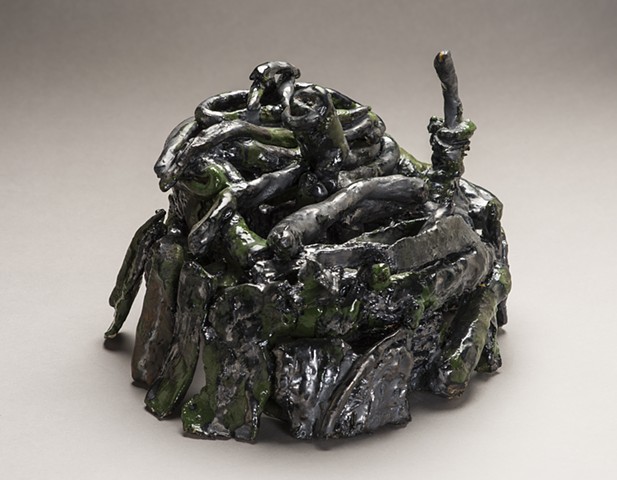
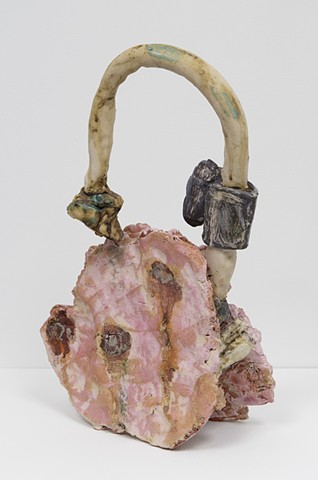
EVOLVERS AND WILDTYPES
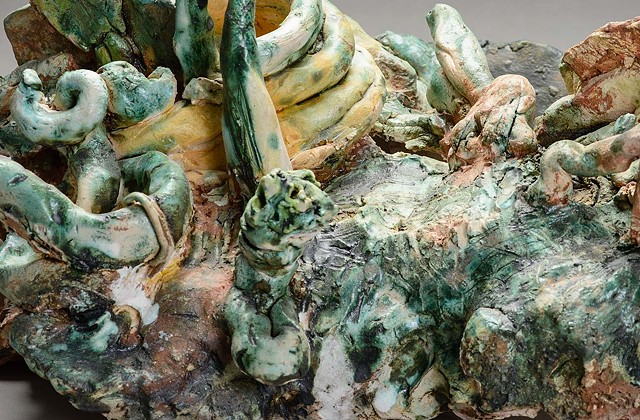
a solo exhibition of Judy Hoffman's ceramic sculptures
at Sculpture Space NYC-Center for Ceramic ArtsApril 5 - May 4, 2024
Opening reception April 5: 6-8pm
Closing reception May 4: 4-6pmArtist conversation with Graham Marks: April 20 @ 2 pm
Artist will be onsite Saturday 4/6, 4/27, and 5/4 from 2-4 pm or by appointmentwww.sculpturespacenyc.com
Gallery Hours:
Tuesday-Saturday 2pm-8pm (appointment is not required)Location: 47-21 35th Street, Long Island City NY 11101, near the 33rd Street/ Rawson Street stop on the 7 train.
Photo credit: Paul Tacheuchi
DISTANCE GALLERY:BREAKDOWN
DISTANCE GALLERY:BREAKDOWN
Group Exhibition
June 15 – July 15, 2020 | Curator: Andrea Burgay
Link to info and curator's statement: www.distancegallery.com/exhibitions/exh…LESLEY HELLER GALLERY: COARSE FRAGILITY
LESLEY HELLER GALLERY: COARSE FRAGILITY
Judy Hoffman and Elise Siegel, curated by Monika Zarzeczna54 Orchard St, NYC
February 28 - April 5, 2020
link to Coarse Fragility exhibition and curator's statement
La Bodega Gallery: On the Outskirts
LA BODEGA GALLERY:"ON THE OUTSKIRTS”
Group Exhibition
Judy Hoffman: One of curator Peter Gynd's top 10 "must see" artists for Gowanus Open Studios 2019Oct.19-20, 2019 12-6pm @
695 Fifth Ave., Brooklyn @ 21st St.
Link to guideJANE HARSOOK GALLERY : CERAMICS NOW 2017
JANE HARSOOK GALLERY : Ceramics Now 2017
GREENWICH HOUSE POTTERY
Group Exhibition
16 Jones St, NYC
July 21 - August 18, 2017
Opening Reception | July 21, 2017 | 5:00-7:00 p.m.Ghada Amer, Judy Hoffman, Alice Mackler, Ellen Robinson
The Artist Fellowship Studio @ Greenwich House Pottery
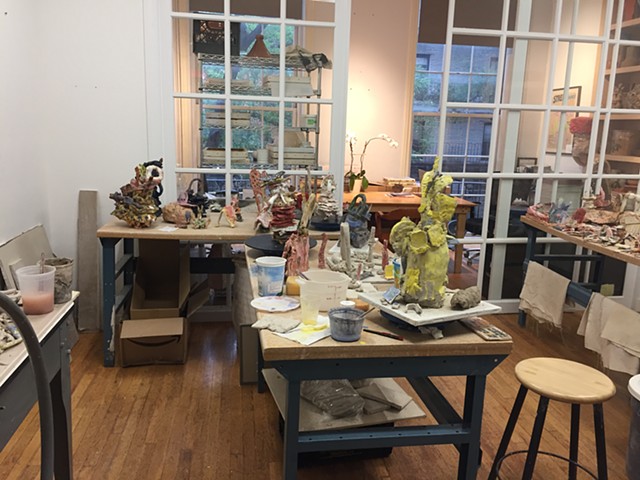
Lots of work developing in my residency studio at Greenwich House Pottery.
FELLOWSHIP IN CLAY @ GREENWICH HOUSE POTTERY, NYC
I was granted a fellowship in clay to generate new work at Greenwich House Pottery. Spring, 2017.
Link to Judy Hoffman, Fellowship artistGowanus Open Studios 2016
Hyperallergic: Works by Judy Hoffman in a pop-up exhibition for #gos2016 at 18 Whitwell Place. (📸 @itsbensutton )
Mention by Ben Sutton of Hyperallergic:
"Your Concise Guide to Gowanus Open Studios 2016"
https://hyperallergic.com/329857/concise-guide-gowanus-open-studios-2016/
**********************************************************
Shapeshifters Lab
18 Whitwell Pl, Brooklyn, NY
(Between 1st and Carroll Str, off 4th Ave.)Gowanus Open Studios: October 15 - 16
300+ artist studios will be open from noon - 6pm on Sat + Sun
http://artsgowanus.org/Now Exhibiting in Fürth, Germany - Family History and Art Come Full Circle
Kriegssocken und Peacemakerinnen, 2015
Museum Frauenkultur
Fürth, GermanyIn 1933 my grandfather, Martin, was the first Jew in a small town outside of Nuremberg, Germany to be arrested at his workplace on trumped up charges. He was imprisoned by the Nazis in nearby Fürth and released a week later under the condition that he and his family leave the country — lucky for all of us!
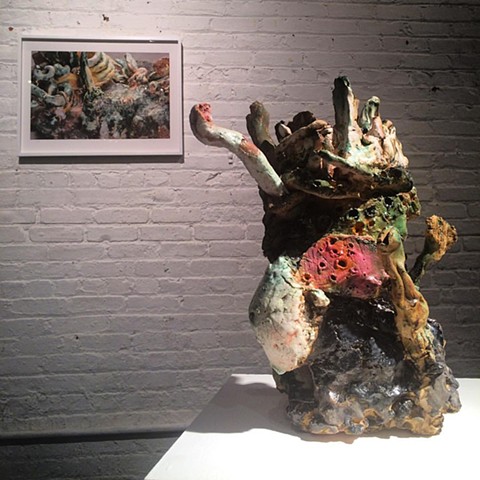
Now, I am pleased to “return” to the town of Fürth where my grandfather was detained decades ago and to display the first in a series of photographic prints, Toxic Terrain, at the Museum Frauenkultur www.frauenindereinenwelt.de/. Toxic Terrain, a print sourced from my ceramic sculpture, explores topography, pathways and the ravages of fracking and environmental degradation.
While recently in Germany researching my family’s history, I had the opportunity to meet local artists and activists. Curators invited me to exhibit in "Kriegssocken und Peacemakerinnen”. The inclusion of my print brings my family’s presence full circle back to Bavaria, this time joining international artists in a show on peace and activism.
An accompanying catalogue is available with an essay on my work by Michaela Schneider.